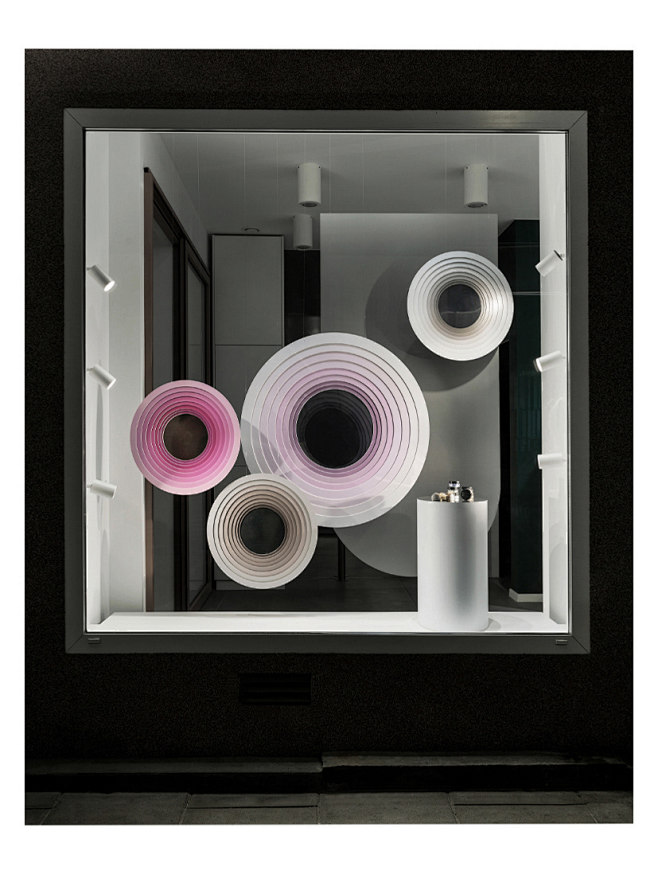
Retail design is a multidisciplinary field that combines architecture, interior design, industrial design, psychology, and marketing to create physical environments where products or services are sold. Its core purpose goes beyond mere aesthetics; it is a strategic effort to influence customer behavior, enhance brand identity, and ultimately drive sales by turning the act of shopping into a meaningful, efficient, and memorable experience.
Core Principles and Elements
Retail design relies on several key components to create a successful, functional, and “on-brand” environment:
Store Layout & Customer Flow: The foundation of the space. Designers strategically use floor plans (such as grid, loop, or free-flow layouts) to control traffic patterns, maximize product exposure, and guide customers naturally through the store.
The “Decompression Zone”: The first 5–15 feet inside an entrance, where customers psychologically transition from the outside world. Effective design keeps this area clear and atmospheric rather than cluttered with merchandise.
Visual Merchandising: The art of displaying products in a way that captures attention and makes them desirable. This includes shelving, mannequins, signage, and bespoke fixtures.
Lighting Design: Used both functionally (to ensure products are visible) and atmospherically (to set a mood, highlight specific features, or influence dwell time). It is often layered into ambient, accent, and task lighting.
Brand Consistency: Every design choice—from material finishes to color palettes—must align with the brand’s identity to ensure the store serves as a physical manifestation of what the company stands for.
Sensory Experience: Beyond the visual, modern retail design considers acoustics (music), olfactory elements (scents), and tactile experiences to build an emotional connection with the customer.
Why It Matters
In an era dominated by e-commerce, physical retail design has shifted toward creating experiential spaces. Stores can no longer compete solely on convenience or stock availability; they must provide value that the digital world cannot—such as personal interaction, hands-on product discovery, and immersive brand storytelling.
Key Focus Areas
Psychology of Space: Understanding how people move (e.g., the tendency to turn right upon entry) and how they perceive product placement (e.g., the importance of eye-level displays).
Functionality & Ergonomics: Ensuring the space is comfortable (avoiding the “butt-brush effect” where narrow aisles drive customers away) and accessible to all shoppers.
Technological Integration: Incorporating digital touchpoints, interactive displays, and omnichannel features that bridge the gap between the online and offline shopping experience.
Given your interest in high-end display aesthetics and industrial design (like your work with sheet metal structures), retail design is likely a space where you could apply your technical expertise to create “spatial sculptures” or modular, high-precision fixtures that blend structural integrity with an elegant brand presence.
Are you looking to apply these principles to a specific project, such as the equipment design you’ve been working on, or are you exploring how to elevate the display aesthetic for a particular retail environment?